Independent intelligence for the global insect industryISSUE 01 · 2026
Black Soldier Fly for Specialty Feed: Commercial Use and Formulation Considerations
By IIR Editorial DeskNovember 9, 2026
Black soldier fly larvae offer distinct opportunities in specialty animal nutrition, from whole dried feeding products to processed protein and lipid ingredients. Their commercial suitability depends on species-specific nutritional needs,…
Black soldier fly larvae offer distinct opportunities in specialty animal nutrition, from whole dried feeding products to processed protein and lipid ingredients. Their commercial suitability depends on species-specific nutritional needs, product quality, regulatory eligibility, and formulation economics.
By IIR Editorial Desk · November 9, 2026 · Market Intelligence
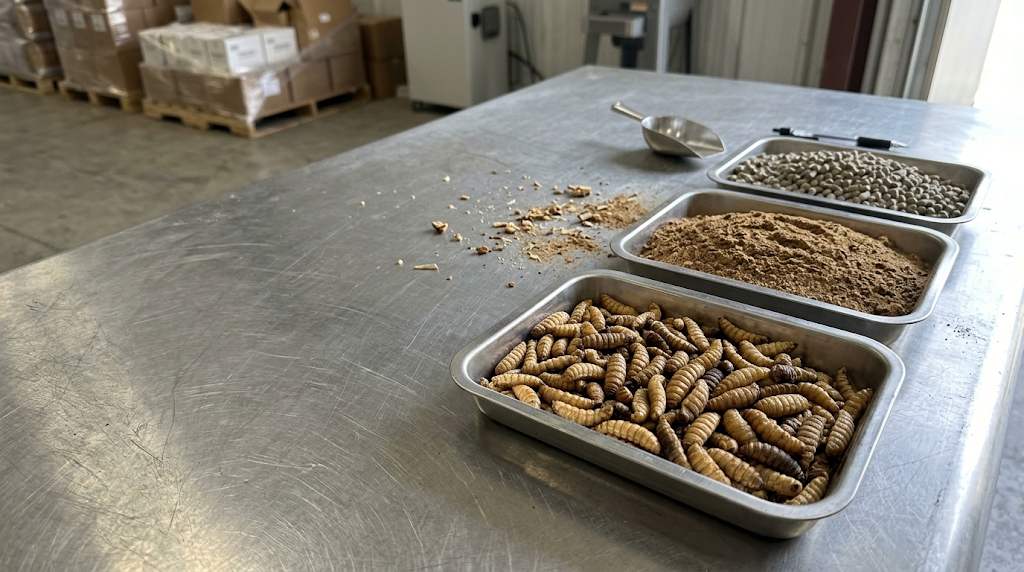
The commercial use of black soldier fly for specialty feed is expanding the range of insect-derived ingredients considered for reptiles, ornamental fish, captive birds, and other specialized animal nutrition products. Black soldier fly larvae (BSFL), scientifically known as Hermetia illucens, can be processed into whole dried larvae, full-fat meal, partially defatted meal, defatted protein meal, and separated oil. These product forms serve different nutritional and commercial purposes, making ingredient selection an important part of specialty feed development.
Unlike large-volume livestock feed, specialty feed markets often emphasize species-specific nutrition, recognizable product appearance, feeding behavior, and differentiated retail formats. Whole dried BSFL may be marketed as supplemental feed for selected insect-eating animals, while processed BSFL meals can be incorporated into formulated diets. However, their commercial value depends on the target animal, nutritional balance, product stability, regulatory requirements, and the cost of the finished product rather than the general appeal of insect protein alone.
1. Commercial Opportunities for Black Soldier Fly in Specialty Feed
Specialty feed encompasses a range of animal nutrition products developed for narrower markets and specific feeding requirements. Relevant applications for BSFL include supplemental reptile feeding products, selected captive bird feeds, and processed ingredients for ornamental fish formulations. These segments differ in nutritional requirements, product formats, distribution channels, and purchasing criteria. A whole dried larva intended for a reptile retailer is evaluated differently from a defatted protein meal purchased by an ornamental fish feed manufacturer, even when both originate from the same insect species.
The commercial opportunity therefore depends on matching the BSFL product form to the intended application. Manufacturers may value the recognizable appearance of whole dried larvae, the protein concentration of defatted meal, or the combined protein and lipid contribution of full-fat meal. However, demand and pricing must be evaluated separately for each market segment. Product availability does not automatically demonstrate nutritional suitability, and successful adoption requires appropriate evidence, consistent specifications, and an economically viable distribution model.
2. Whole Dried BSFL, Protein Meals and Oil
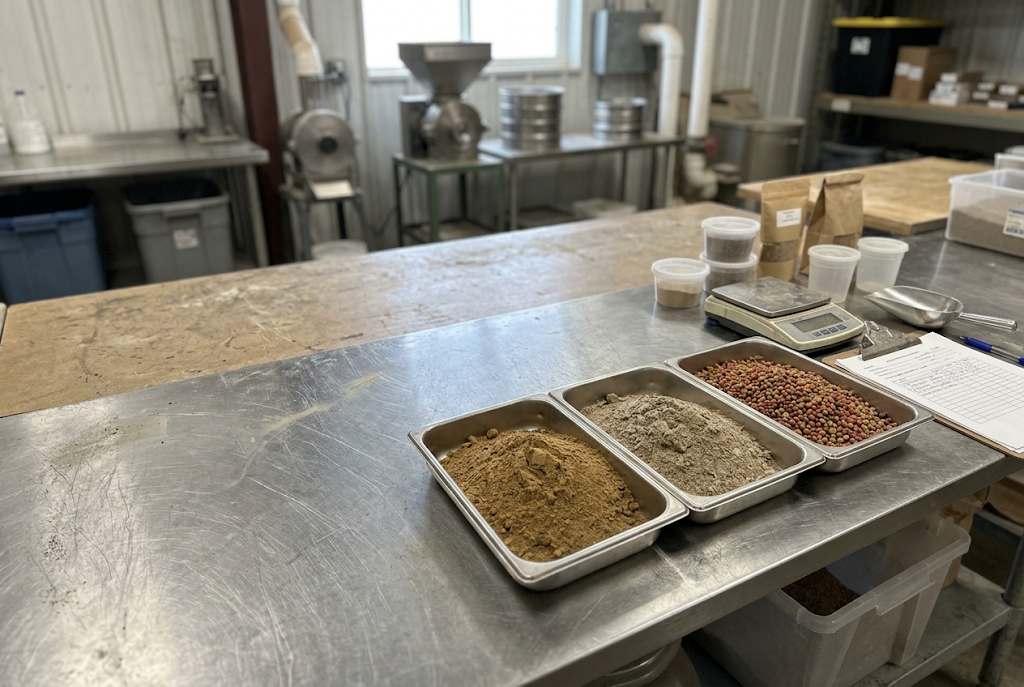
BSFL ingredients are available in several processing grades with distinct nutritional characteristics. Whole dried larvae retain their recognizable segmented structure and original nutrient fractions, while full-fat meal is produced through drying and milling, with much of the lipid content remaining. Partially defatted and defatted meals undergo additional fat removal, generally increasing the relative protein concentration. Separated BSFL oil provides dietary lipids rather than serving as a direct protein replacement. These differences affect formulation flexibility, storage requirements, and the way commercial buyers compare product prices.
Product form
Main characteristics
Potential specialty feed use
Whole dried BSFL
Intact, segmented dried larvae
Supplemental reptile and selected bird feeds
Full-fat BSFL meal
Protein with retained lipid energy
Formulated ornamental fish and specialty diets
Partially defatted meal
Intermediate protein and fat levels
Formulations requiring balanced protein and energy
Defatted BSFL meal
More concentrated protein fraction
Protein inclusion in manufactured feeds
BSFL oil
Separated lipid fraction
Energy and fatty acid contribution
Product names alone do not establish equivalent nutritional quality. Larval development, rearing substrates, harvesting conditions, drying temperatures, and fat extraction can affect protein, fat, ash, calcium, and other nutrient concentrations. Suppliers offering multiple BSFL grades should provide separate technical specifications and analytical documentation for each product. Manufacturers should select the appropriate grade based on the target species and complete-feed requirements rather than comparing ingredients solely by crude protein concentration.
3. Nutritional Composition and Protein Quality
BSFL-derived ingredients contribute protein, lipids, and minerals, but their nutritional value depends on the exact product and intended animal. Crude protein is a useful initial indicator, although chitin-associated and other non-protein nitrogen can influence conventional nitrogen-based protein calculations. Amino acid composition and digestibility are more informative when BSFL meal is used in formulated diets. Manufacturers should seek nutritional data relevant to the specific processing grade and animal group rather than assuming that values obtained from other insect products or livestock studies are directly transferable.
The lipid and mineral fractions also influence formulation decisions. Whole dried larvae and full-fat meals generally retain more fat than defatted products, while some BSFL ingredients contain comparatively high calcium and ash concentrations. These characteristics may be useful in selected applications but can require adjustments to other feed ingredients. The suitability of BSFL must be assessed within the complete diet, including protein quality, energy supply, calcium-to-phosphorus balance, vitamins, and other essential nutrients.
4. Calcium, Phosphorus, and Mineral Balance
Calcium is one of the nutritional characteristics that distinguish many BSFL products from other commonly used insect ingredients. Depending on the production system and larval stage, BSFL may contain relatively high calcium concentrations, while phosphorus and ash values also vary. This makes mineral analysis particularly important when evaluating BSFL for reptiles and other specialty animals with specific dietary requirements. Buyers should request measured calcium and phosphorus concentrations for the actual commercial batch rather than relying on generalized claims about the species.
A favorable calcium concentration does not automatically establish that a BSFL product provides complete or appropriately balanced mineral nutrition. The overall diet, mineral availability, vitamin D status, life stage, and feeding frequency can all affect nutritional suitability. This is especially important when whole dried BSFL are marketed as supplemental products rather than complete diets. Manufacturers should avoid universal claims about mineral adequacy and base feeding recommendations on evidence relevant to the intended animal species.
5. Whole Dried BSFL for Reptile Feed Products
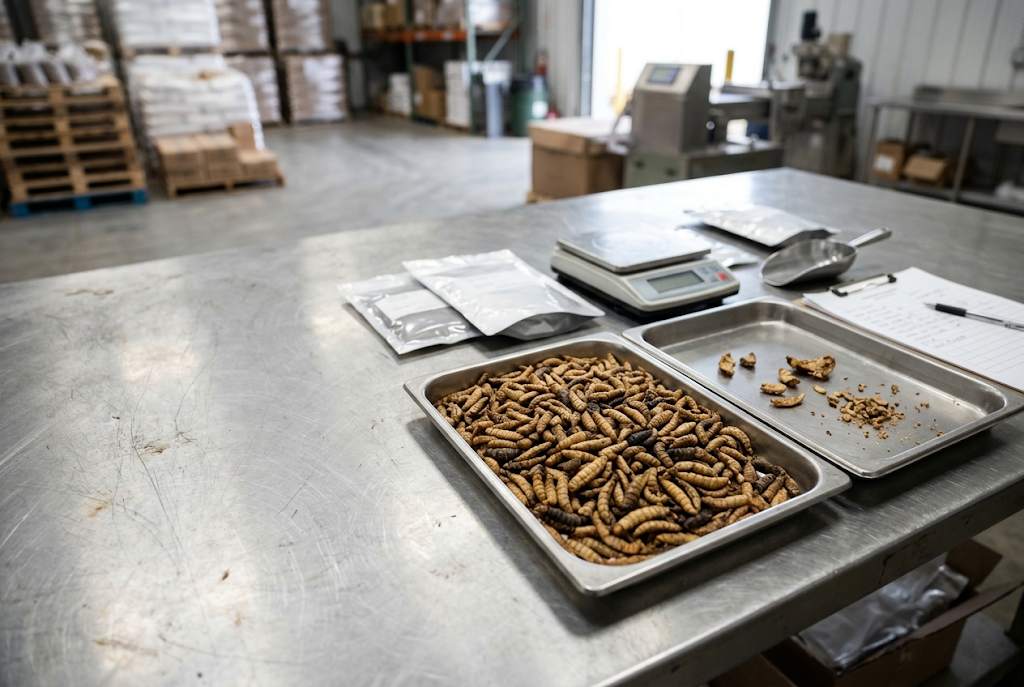
Whole dried BSFL may serve as supplemental feeding products for selected insectivorous and omnivorous reptiles. Their recognizable structure, size, color, and physical integrity can influence product presentation and purchasing decisions in specialty retail markets. Unlike live insects, dried larvae have lower moisture content and different texture and movement characteristics, which may affect feeding acceptance. Commercial product development should therefore consider the intended reptile species, life stage, feeding behavior, and the practical use of the product within a broader feeding program.
Quality requirements extend beyond nutrient composition. Buyers may assess larval size distribution, intact body percentage, breakage, moisture, foreign materials, packaging integrity, and storage stability. These parameters influence the appearance and usability of whole dried BSFL products. Nutritional claims must also reflect the intended feeding role: supplemental dried larvae should not be presented as complete nutrition without appropriate formulation evidence. Consistent grading and realistic feeding guidance are important for maintaining repeat demand.
6. Potential Use in Amphibian and Other Insect-Eating Animal Diets
Certain amphibians and other insect-eating animals may be candidates for BSFL-based feeding products, but their feeding behavior and nutritional requirements vary substantially. Some species depend on moving prey to stimulate feeding, making dried products less suitable than live or appropriately presented alternatives. Others may accept formulated diets containing processed insect meal. Manufacturers should therefore distinguish between potential nutritional compatibility and demonstrated feeding acceptance rather than assuming that all insect-eating animals will consume dried BSFL.
For formulated products, the evaluation should include digestible protein, energy contribution, mineral balance, particle size, and the nutritional requirements of the target species. Evidence from fish, reptiles, or livestock cannot automatically establish appropriate inclusion levels for amphibians. Commercial claims should be limited to applications supported by relevant nutritional and feeding evidence, and the legal eligibility of the product should be confirmed for the intended market.
7. BSFL Meal in Ornamental Fish Feed
Processed BSFL meal may be used as a candidate protein ingredient in ornamental fish diets, particularly where manufacturers are evaluating alternatives to conventional fishmeal or other protein sources. Full-fat and defatted grades offer different combinations of protein and energy, while their mineral composition may influence the overall formulation. However, ornamental fish include species with different feeding habits, digestive capabilities, and life-stage requirements. Findings from one fish species should not be assumed to apply universally across the aquarium feed market.
Commercial evaluation should consider amino acid composition, digestibility, feed intake, pellet size, water stability, and growth or condition outcomes where appropriate. BSFL meal may also influence feed color, odor, and processing behavior. Manufacturers should compare nutritionally equivalent formulations rather than replacing fishmeal on an equal-weight basis. The value of BSFL in ornamental fish feed depends on reliable product performance, acceptable manufacturing characteristics, and the economics of the finished feed.
8. Applications in Captive Bird and Specialty Bird Feed
Whole dried BSFL may be incorporated into supplemental feeding products for selected captive birds that naturally consume insects as part of their diets. In this market, recognizable larval appearance, size consistency, moisture control, and packaging quality may be commercially important. Different bird species have different feeding preferences and nutritional requirements, so manufacturers should clearly identify the intended application and distinguish supplemental insect products from complete formulated feeds.
Processed BSFL meal may also be evaluated in selected manufactured bird diets, but its suitability depends on species-specific nutritional requirements and available feeding evidence. Protein, fat, calcium, phosphorus, and other nutrients must be assessed in the context of the complete diet. Manufacturers should avoid transferring results from poultry studies directly to all captive bird species. Product positioning should be supported by appropriate nutritional information and be consistent with applicable feed regulations.
9. Full-Fat Versus Defatted BSFL Meal in Formulation
Full-fat and defatted BSFL meals are not interchangeable ingredients. A full-fat meal retains more lipid energy and may reduce the need for some additional dietary fat, while a defatted meal generally provides a more concentrated protein fraction. Their relative value depends on the target animal, the desired nutrient profile, and the cost of other protein and energy ingredients. A higher crude protein percentage does not automatically make defatted meal more economical because the finished diet may require additional fat or other energy sources.
The BSFL lipid fraction is often characterized by a substantial proportion of saturated fatty acids, including lauric acid, although composition varies with production conditions. Manufacturers should evaluate residual fat, fatty acid profile, amino acid digestibility, mineral content, energy contribution, and storage stability for the exact processing grade. Formulation decisions should be based on complete-feed performance rather than generalized assumptions about insect protein concentration or fatty acid composition.
10. Processing Methods and Product Stability
Drying, milling, and fat extraction influence the physical and nutritional characteristics of commercial BSFL products. For whole dried larvae, processing must balance moisture reduction with acceptable appearance, color, and body integrity. Excessive mechanical handling can increase breakage, while inconsistent drying may affect shelf life and quality. For processed meals, particle size, bulk density, moisture, and residual fat influence mixing, extrusion, pelleting, and storage performance.
Storage conditions are especially important when products contain substantial residual lipids. Exposure to oxygen, elevated temperatures, moisture, or unsuitable packaging may contribute to deterioration during storage and distribution. Manufacturers should establish appropriate moisture limits, packaging specifications, shelf-life evidence, and handling procedures. Commercial buyers should verify that product quality can be maintained throughout the intended transport and storage period rather than relying only on the condition of a freshly produced sample.
11. Quality Standards and Batch Consistency
Quality specifications for BSFL specialty feed should reflect the commercial product form. Whole dried larvae may require measurable criteria for appearance, color, size distribution, physical integrity, moisture, and foreign materials. Processed meals require nutritional specifications for protein, fat, ash, relevant minerals, and amino acids, together with appropriate physical and safety parameters. These requirements should be documented in purchasing agreements rather than described through subjective terms such as premium quality.
Batch consistency is important because variations in larval development, rearing substrates, drying conditions, and fat extraction can affect nutrient composition and product appearance. Buyers should request historical batch data and batch-specific certificates of analysis to assess whether a supplier can maintain the approved specification over time. A successful sample is only the beginning of qualification; repeat commercial purchasing depends on consistent quality and reliable corrective-action procedures.
12. Feed Safety and Production Traceability
The safety of BSFL ingredients depends on production inputs, rearing hygiene, harvesting, processing, storage, and transportation. Potential hazards include microbiological contamination, relevant chemical contaminants, foreign materials, and deterioration during storage. The appropriate testing program should be based on the actual production pathway and intended animal use. Suppliers should demonstrate how rearing substrates are approved and monitored and how contamination risks are managed throughout production.
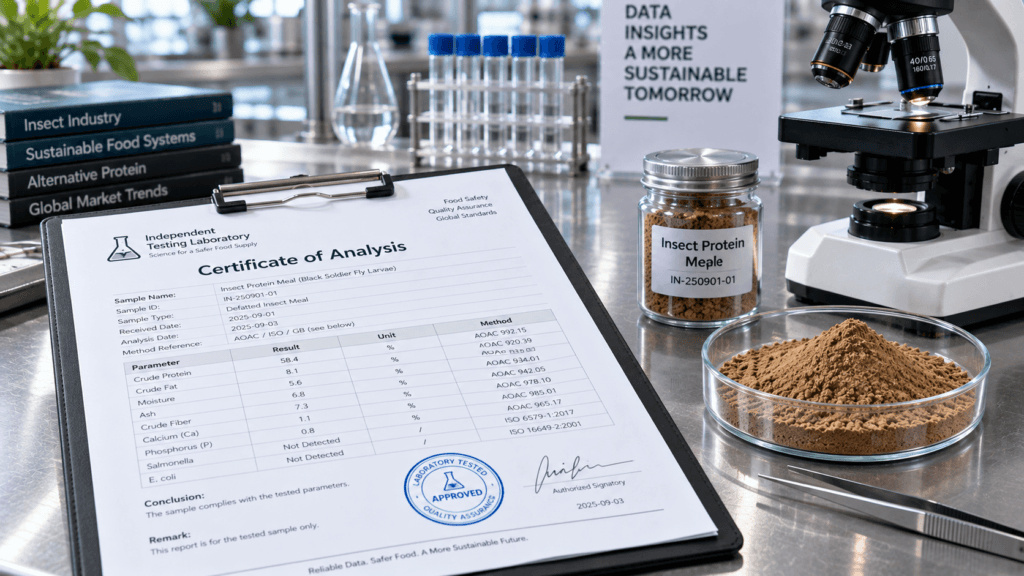
Traceability should connect the finished ingredient to identifiable production batches and relevant processing records. Buyers may request documentation covering substrate controls, processing conditions, analytical testing, packaging, and nonconforming-product procedures. Batch-specific laboratory reports should clearly identify the product, lot, analytical methods, reporting units, and laboratory details. Preventive controls and traceability provide stronger assurance than a single favorable test result.
13. Economics of BSFL Specialty Feed Products
The economics of black soldier fly for specialty feed differ between whole dried larvae and processed protein meals. Whole dried products may be sold through specialty retail channels where grading, packaging, physical integrity, and distribution influence profitability. Processed BSFL meals are generally evaluated according to their contribution to manufactured feed formulations, including digestible nutrients, energy, minerals, and processing performance. These different commercial functions mean that the same pricing method should not be applied to every BSFL product.
For processed meals, a preliminary comparison can use the cost per kilogram of reported crude protein:
Cost per kg of crude protein =Delivered ingredient price per kgCrude protein fraction
Metric
Full-fat BSFL meal
Defatted BSFL meal
Illustrative delivered price
$2,000/metric ton
$2,400/metric ton
Reported crude protein
45%
60%
Cost per kg of crude protein
$4.44
$4.00
Hypothetical calculations only. These are not verified supplier quotations or current market prices.
The defatted product has a lower calculated cost per kilogram of reported crude protein in this example, but this does not establish lower complete-feed costs. Digestible amino acids, energy contribution, additional oil requirements, mineral balance, and manufacturing performance must also be considered. For whole dried BSFL, buyers should evaluate usable yield, breakage, grading losses, packaging costs, and the target distribution channel. Commercial competitiveness should be measured through the economics of the finished product.
14. Regulatory Eligibility and Market Access
Regulatory eligibility for BSFL specialty feed varies by jurisdiction, ingredient form, rearing substrates, processing method, and intended animal use. Approval for one animal feed category does not automatically establish eligibility for reptiles, ornamental fish, amphibians, or captive birds. Manufacturers should review ingredient definitions, feed safety requirements, labeling obligations, and import restrictions before introducing a product into a new market. Whole dried larvae and processed meals may also be treated differently under applicable rules.
In the European Union, processed animal proteins derived from farmed insects are subject to specified feed and animal by-product requirements. These conditions depend on the production pathway and intended use, and they should not be interpreted as blanket authorization for every specialty feed product. Buyers should verify the legal status of the exact BSFL ingredient and its intended application. Other markets may apply different ingredient approval or registration frameworks, making destination-specific regulatory review essential.
15. Commercial Supply and Distribution Requirements
Commercial buyers need BSFL suppliers capable of maintaining defined product specifications and reliable delivery schedules. For whole dried larvae, important purchasing criteria may include size grading, intact body percentage, moisture, color consistency, packaging, and shelf life. For processed meals, buyers generally place greater emphasis on nutritional composition, analytical documentation, and manufacturing performance. Production capacity and historical batch consistency should be evaluated before expanding from sample purchases to recurring commercial orders.
Distribution requirements differ between reptile retailers, aquarium product suppliers, specialty bird feed brands, and industrial feed manufacturers. Small retail packages may require additional packaging operations and inventory management, while bulk ingredient customers may prioritize larger volumes and standardized specifications. Suppliers should align minimum order quantities, packaging formats, lead times, and quality documentation with the intended sales channel. Long-term commercial relationships depend on repeatable quality and dependable fulfillment.
16. Market Outlook for Black Soldier Fly Specialty Feed
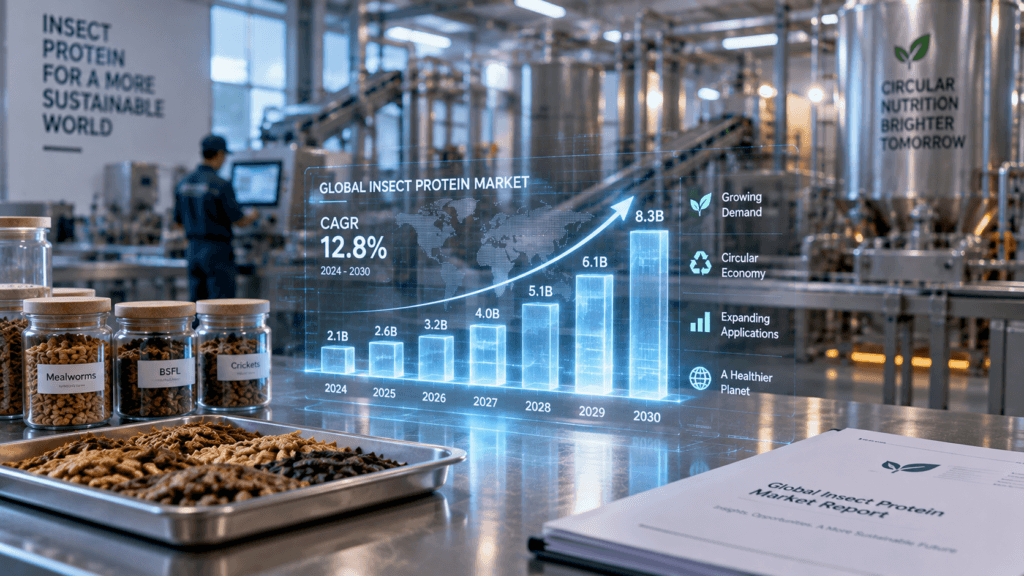
Black soldier fly ingredients may find additional opportunities in specialty feed segments where nutritional functionality, recognizable product appearance, or differentiated formulation supports commercial demand. Whole dried BSFL may remain relevant in selected supplemental feeding products, while processed meals could support further development in ornamental fish and other manufactured specialty diets. Adoption will vary according to animal category, regional regulations, product performance, and the availability of reliable supply.
Improvements in rearing efficiency, drying technology, grading, processing, and quality standardization may strengthen the competitiveness of BSFL products over time. However, broader adoption will require credible species-specific feeding evidence and commercially sustainable pricing. The strongest indicators of market development will be repeat purchasing, stable product quality, and profitable distribution rather than isolated product launches or generalized alternative-protein growth expectations.
IIR Analysis
The commercial potential of black soldier fly for specialty feed depends on matching the correct ingredient form to the intended animal and feeding function. Whole dried larvae are evaluated through physical quality, feeding suitability, and retail presentation, while processed BSFL meals are assessed through nutritional composition, digestibility, manufacturing performance, and formulation economics. These distinctions are essential because a product suitable for one specialty feed application may not be appropriate for another.
For BSFL producers, the priority is to establish consistent commercial grades, reliable quality documentation, and packaging suited to the target market. For specialty feed manufacturers, successful adoption requires species-specific nutritional evaluation, feed safety controls, regulatory verification, and realistic finished-product economics. The strongest opportunities are those where BSFL ingredients deliver a clearly defined function and can be supplied consistently at a commercially acceptable cost.
Disclaimer: This article is for informational purposes only and does not constitute business, legal or investment advice. Always consult primary sources and qualified professionals.