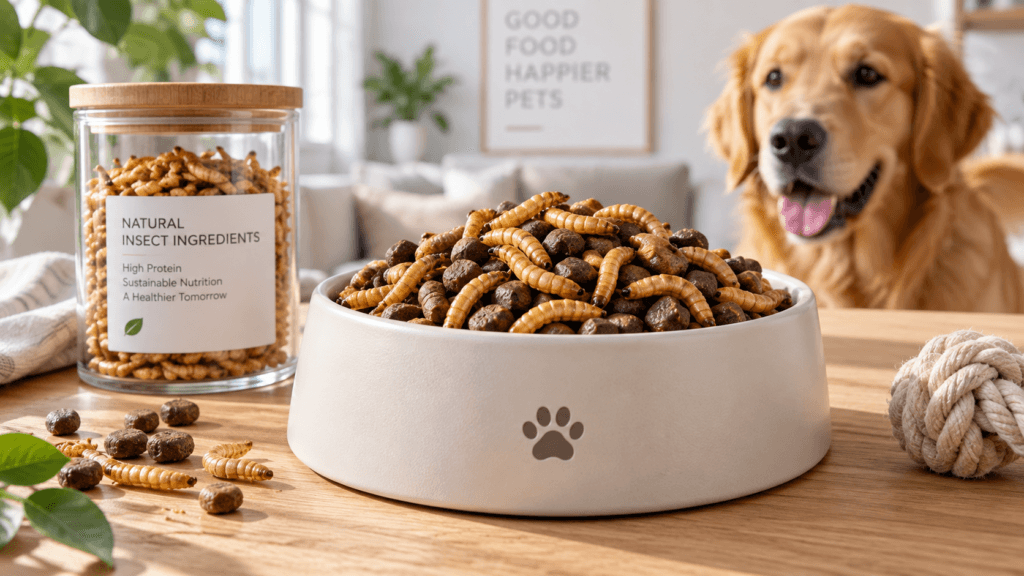
With canine allergies rising, hypoallergenic insect pet food is now a necessity. See why mealworms and crickets dominate the premium market.
Published: September 2026 | Fact-checked by: IIR Research Team | Industry Analysis: IIR Market Intelligence
With canine allergies rising, hypoallergenic insect pet food is now a necessity. See why mealworms and crickets dominate the premium market.
The companion animal nutrition landscape is undergoing a structural transformation driven by pet humanization and rising health awareness among pet owners. Modern dog and cat owners increasingly demand therapeutic, clean-label diets that mirror human functional food trends. Amid this changing retail environment, hypoallergenic insect pet food has swiftly transitioned from an experimental novelty into the fastest-growing commercial segment across the ultra-premium and veterinary pet nutrition sectors.
For pet food brands, extrusion manufacturers, and private-label contract packers, surging consumer demand for novel proteins presents a major market opportunity. Developing insect-powered formulations resolves pervasive clinical pet health challenges while securing pricing power and customer brand loyalty in an increasingly crowded retail pet aisle.
1. Clinical Realities: The Escalation of Canine and Feline Food Sensitivities
Veterinary clinics across North America and Europe report steady increases in diagnosed Adverse Food Reactions (AFRs). These clinical presentations encompass chronic cutaneous adverse food reactions—manifesting as intense pruritus, bilateral otitis externa, and severe alopecia—as well as persistent gastrointestinal disorders characterized by vomiting, inflammatory bowel disease, and liquid stools.
Clinical research identifies common animal protein sources as the primary triggers for these allergic cascades. Decades of reliance on standard ingredients, including chicken, beef, dairy, egg, and lamb, have caused widespread canine immune sensitization. The underlying biological mechanism involves the immune system recognizing specific high-molecular-weight glycoproteins as foreign invaders, triggering an immediate Immunoglobulin E (IgE)-mediated allergic response.
Eliminating these recurring clinical symptoms requires veterinary clinicians to prescribe strict elimination diets. Traditional elimination formulations rely on novel animal proteins (such as venison or rabbit) or hydrolyzed proteins, where intense enzymatic processing shears peptides below recognition thresholds. However, wild novel animal meats face chronic supply shortages and price volatility, while hydrolyzed formulas often suffer from poor palatability and high production costs. Insect ingredients simultaneously address these operational challenges.
2. Biological Mechanics: Why Hypoallergenic Insect Pet Food Delivers Results
Formulating hypoallergenic insect pet food provides a reliable scientific solution to immune-mediated food allergies. Because domestic companion animals have no generational dietary exposure to commercial volumes of insect proteins, their immune systems have not developed reactive antibody complexes against insect biomass.
When canine or feline digestive systems process novel insect ingredients, the immune system encounters unfamiliar antigen structures that bypass sensitized allergic pathways. This novel biological profile enables dogs suffering from chronic food-induced dermatitis to consume complete, balanced dry extruded kibble without triggering inflammatory skin reactions or intestinal flares.
Furthermore, insect proteins possess high native biological value. Unlike common plant isolates that lack specific amino acids and require heavy synthetic supplementation, whole and defatted insect meals provide complete, digestible amino acid profiles that fulfill or exceed adult maintenance standards set by the Association of American Feed Control Officials (AAFCO) and the European Pet Food Industry Federation (FEDIAF).
While Black Soldier Fly Larvae dominate bulk livestock feed applications, pet food brands targeting the ultra-premium retail space are turning to two specific insect species to build consumer-facing brand equity:
Dried Yellow Mealworms (Tenebrio molitor)
Yellow mealworms deliver an exceptionally clean sensory profile. When dried via continuous microwave dehydration, mealworms develop a mild, toasted, nutty aroma that avoids the strong odors characteristic of other agricultural proteins. This sensory quality ensures high initial acceptance among both pets and owners.
From a nutritional perspective, mealworm lipids provide an outstanding concentration of polyunsaturated fatty acids, particularly linoleic acid (an essential omega-6 fatty acid). Dietary linoleic acid directly reinforces canine epidermal lipid barriers, preventing trans-epidermal water loss and restoring dry, flaky skin to a healthy, glossy condition. For detailed technical specifications regarding this ingredient, formulators can review our comprehensive analysis of Dried Yellow Mealworms Nutritional Profile.
Whole Dried Crickets (Acheta domesticus / Gryllus bimaculatus)
Crickets provide an exceptional balance of lean crude protein (often exceeding 65% in dry matter) combined with natural trace minerals, including bioavailable iron, zinc, and magnesium. In pet treats and boutique baked kibbles, whole dried crickets provide satisfying physical crunch and artisanal visual appeal, appealing directly to eco-conscious consumers who prioritize circular, sustainable sourcing.
4. Retail Economics and Manufacturing Considerations
Consumer pricing behavior strongly supports investments in insect-based companion animal lines. Pet owners managing chronic allergy flare-ups demonstrate high price tolerance. Veterinary and hypoallergenic retail diets routinely sell for between $8.00 and $16.00 per kilogram, affording pet food manufacturers healthy gross margins that easily absorb easily absorbing the higher cost of premium insect ingredients.
To successfully scale an insect-based pet food product line, manufacturing and procurement directors must manage two vital processing steps:
- Palatability Enrobing: In extruded dry kibble, applying a liquid topical coating via vacuum coater drums post-extrusion is essential for driving feeding enthusiasm. Formulating coatings that combine refined insect oil with natural pet digest creates high feeding motivation without reintroducing common avian or bovine allergens.
- Verified Clean Sourcing: Companion animal owners scrutinize ingredient labels increasingly. Brands must ensure their insect ingredient supply chain operates under certified food safety standards, free from chemical preservatives or heavy metal residues. Formulators wishing to explore the clinical foundation of hypoallergenic nutrition can consult peer-reviewed resources on hypoallergenic diets in veterinary medicine.
By developing thoughtfully formulated hypoallergenic diets built around premium mealworms and crickets, pet food manufacturers can capture expanding market share in the veterinary dermatology sector while building lasting brand trust among modern pet owners.