Independent intelligence for the global insect industryISSUE 01 · 2026
Dried Yellow Mealworms (Tenebrio molitor): Nutritional Profile and Premium Applications
By IIR Editorial DeskSeptember 13, 2026
Explore the nutritional profile of dried yellow mealworms. A B2B guide for premium pet food and aquaculture formulators on sourcing and integration.
Published: September 15, 2026 | Fact-checked by: IIR Formulation and Nutrition Team
While the Black Soldier Fly dominates bulk agriculture feed, the Dried Yellow Mealworm (Tenebrio molitor) has quietly secured its position as the premium ingredient of choice for high-end pet food, avian diets, and specialty aquaculture. For B2B formulators and procurement managers, understanding the specific nutritional geometry and processing advantages of dried mealworms is critical for unlocking high-margin product lines.
The insect protein market is not monolithic. Formulators are increasingly realizing that different insect species offer entirely distinct functional benefits. Dried yellow mealworms provide a unique combination of high protein density, a highly favorable lipid profile, and exceptional palatability, making them highly sought after in premium commercial formulations.
This IIR Ingredient Deep-Dive breaks down the nutritional architecture of dried yellow mealworms and outlines the strategic advantages for B2B buyers sourcing this versatile ingredient.
1. Nutritional Architecture: Beyond Basic Protein
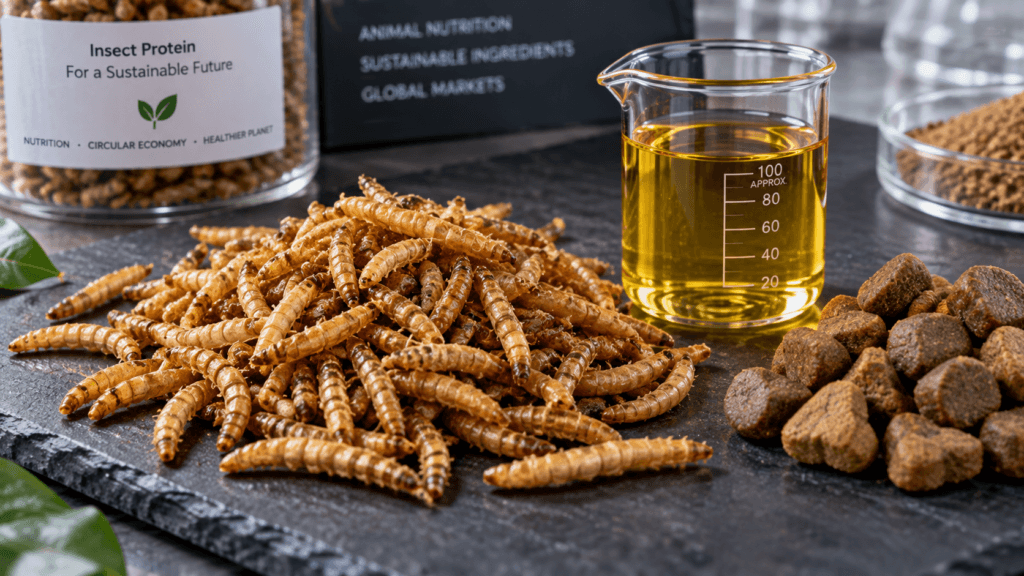
Procuring dried yellow mealworms requires a nuanced understanding of their macronutrient breakdown. Unlike heavily processed, defatted insect meals, whole dried mealworms retain their natural lipid structures, offering a complete nutritional package.
High-Density Crude Protein (50% – 55%): High-quality dried mealworms consistently deliver a crude protein content exceeding 50%. More importantly, the amino acid profile is highly digestible and closely mirrors the dietary requirements of omnivorous and insectivorous pets, making it an exceptional primary protein source rather than just a filler.
The Lipid Advantage (28% – 30% Fat): While BSFL oil is renowned for its lauric acid, yellow mealworms are prized for their high concentrations of Oleic and Linoleic acids (Omega-6). These essential fatty acids are crucial for promoting healthy skin and coat conditions in dogs and cats, a major selling point for premium pet food brands.
Chitin as a Functional Prebiotic: Mealworm exoskeletons provide a natural source of chitin. In controlled formulations, chitin acts as a valuable prebiotic fiber, promoting gut health and stimulating the innate immune system of both companion animals and farmed aquatic species.
2. Primary Commercial Applications
Because of their specific nutritional profile and milder, “nutty” flavor and aroma compared to other insect species, dried mealworms are heavily allocated to specific, high-margin sectors.
Premium Pet Food & Hypoallergenic Diets The companion animal sector is the largest driver of mealworm demand. As dogs and cats increasingly suffer from allergies to traditional proteins (beef, chicken, soy), insect protein is emerging as the ultimate novel, hypoallergenic alternative.
IIR Formulation Insight: The intact lipid profile of whole dried mealworms provides a highly palatable, high-energy inclusion for specialized senior dog diets and feline formulations where palatability is historically a challenge.
Avian and Specialty Aquaculture Whole dried mealworms are the gold standard for wild bird feed and commercial poultry breeding programs (such as premium layer hens). Furthermore, in specialty aquaculture (like ornamental fish, koi, and exotic amphibians), the buoyancy of whole dried mealworms and their visual trigger for surface-feeding species make them an indispensable ingredient.
3. The Supply Chain Advantage of “Dried” Ingredients
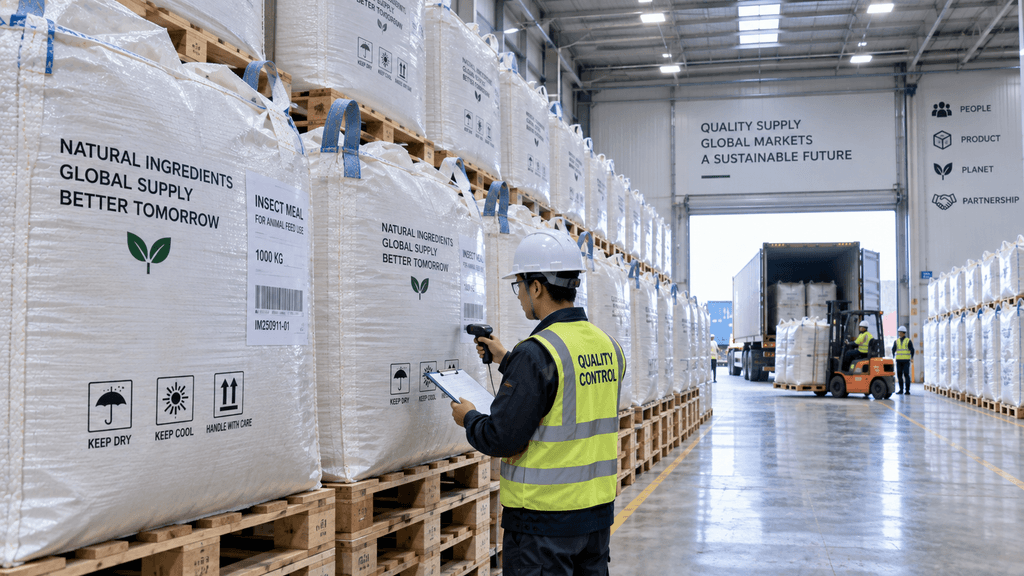
For international procurement managers, the physical format of the ingredient is just as important as its nutrition. Sourcing dried yellow mealworms (typically microwave-dried or oven-roasted) offers significant logistical advantages:
Extended Shelf Life: When processed correctly to achieve a moisture content below 8%, dried mealworms boast an exceptional shelf life (often exceeding 12-18 months) without the need for synthetic preservatives.
Freight Efficiency: The drying process removes the vast majority of the insect’s water weight, resulting in a lightweight, high-density nutritional payload. This maximizes container space and drastically reduces international ocean freight costs per gram of protein.
Formulation Flexibility: Whole dried mealworms can be easily milled on-site by the feed manufacturer into a fine powder for extrusion, or used whole in bespoke bird and reptile blends, offering ultimate flexibility for multi-line feed mills.
When evaluating a new international supplier for bulk dried mealworms, buyers must look beyond the price per ton. A rigorous quality assurance protocol is mandatory.
Moisture Control is Paramount: As emphasized in our guide to reading an insect COA, any batch exceeding 10% moisture is a critical red flag. High moisture during long transit times will lead to dangerous mold proliferation.
Visual and Olfactory Inspection: High-grade dried mealworms should be intact, golden-brown, and emit a mild, roasted scent. A dark, brittle appearance or an ammonia-like odor indicates improper drying techniques or post-processing degradation.
Heavy Metal and Pathogen Screening: Always demand third-party laboratory verification proving the absence of Salmonella and ensuring heavy metals (especially Cadmium and Lead) comply with destination market regulations.
Dried yellow mealworms represent a sophisticated, high-performance ingredient for modern feed formulators. By securing a reliable, quality-controlled supply chain, brands can confidently expand into the highly lucrative hypoallergenic and premium nutrition markets.
Disclaimer: This article is for informational purposes only and does not constitute business, legal or investment advice. Always consult primary sources and qualified professionals.